3
Guides published
Each one answers a single buying question.
Independent buying guides
For anyone replacing a shaver and unsure whether blades, cartridges or a rotary head cost less over a year. One question per guide, a cost-per-shave calculator that shows its formula, and dated sources.
Each one answers a single buying question.
Formula, units and assumptions shown on the page.
Each with the date the link was checked.
Free-licence images, photographer credited.
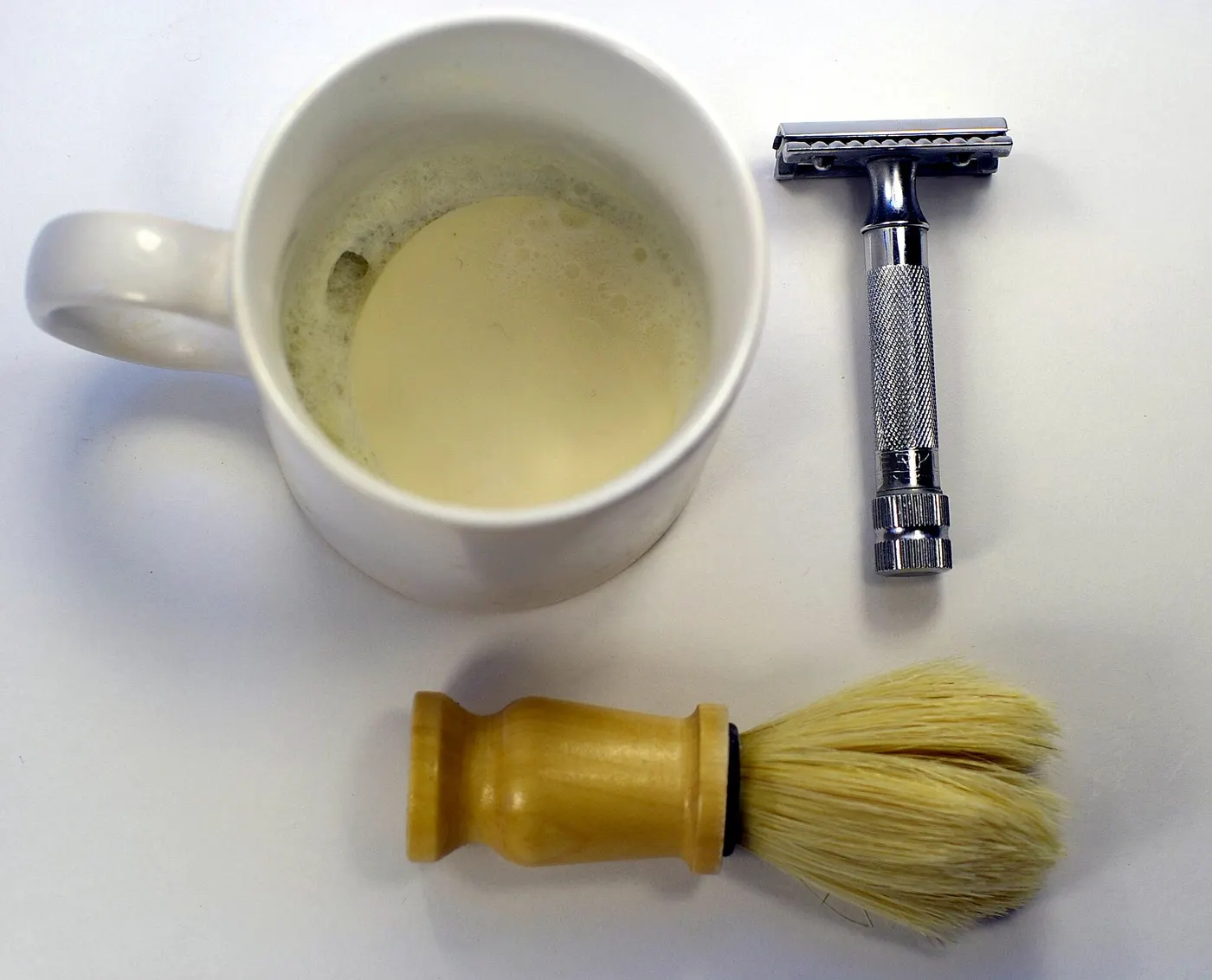
Each guide answers one buying question and shows the figures behind the answer.
How to choose
The three shaving methods fail in different ways. Match one to your beard direction, your morning and the 18-month replacement clock before comparing prices.
Photo: Florian Fuchs · CC BY 3.0 · Wikimedia Commons
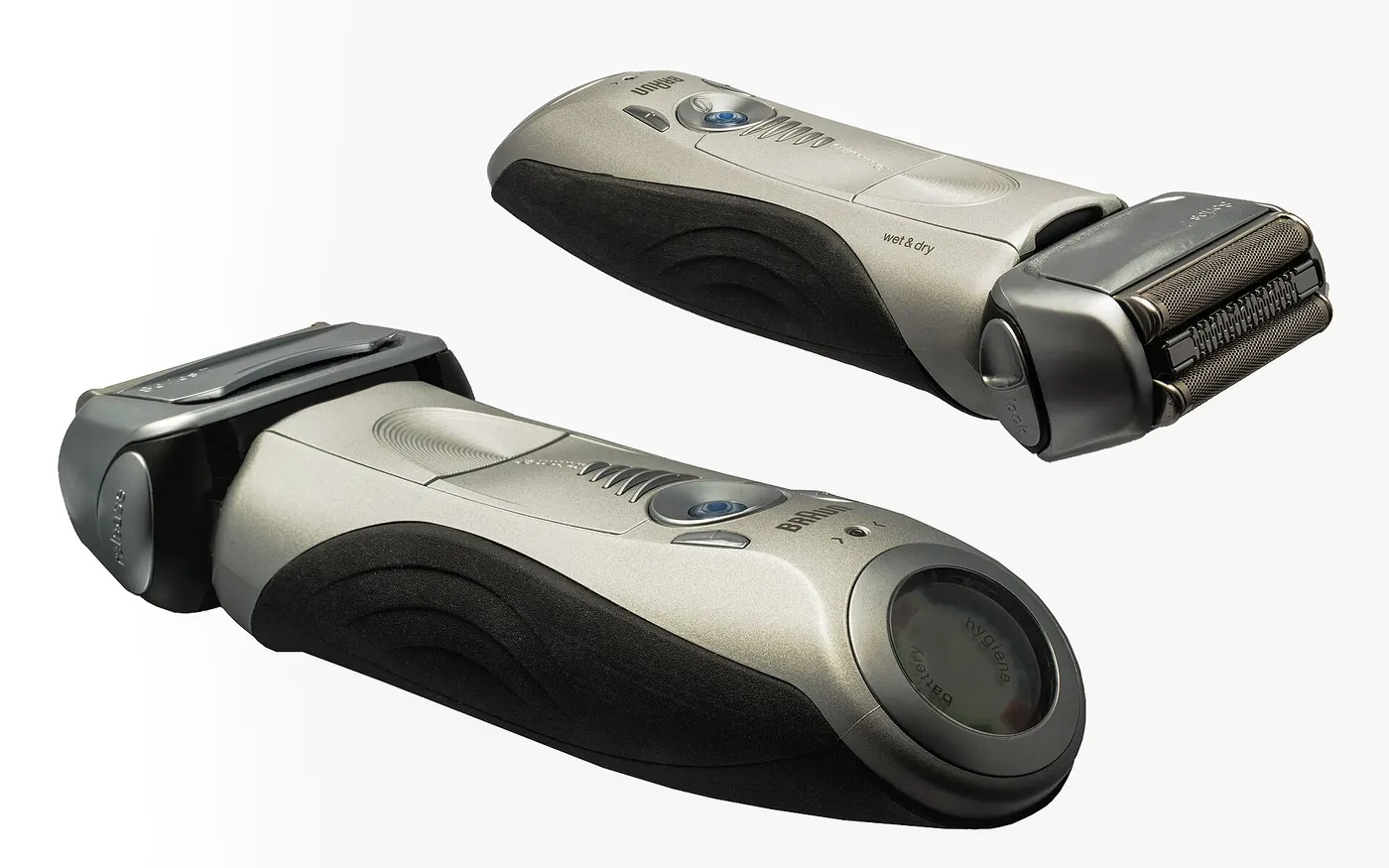
Budget and prices
Handles are cheap and blades are not. The five-year arithmetic for cartridges, double-edge blades and electric heads, with every division shown.
Photo: Joe Haupt from USA · CC BY-SA 2.0 · Wikimedia Commons
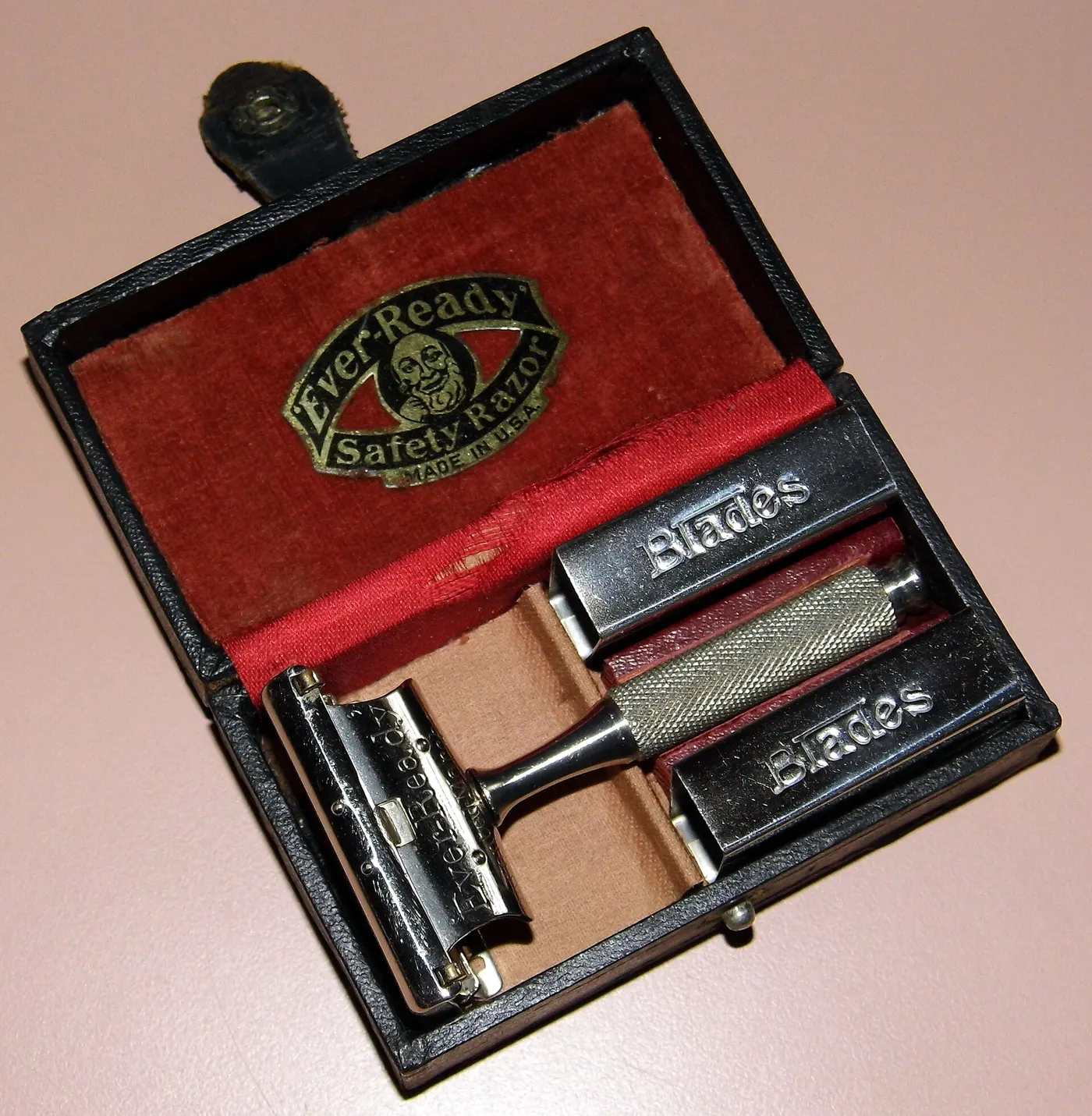
Reactions and irritation
What the ingredient list legally has to tell you, what it never will, and the four routine changes that remove most post-shave irritation.
Photo: Raimond Spekking · CC BY-SA 4.0 · Wikimedia Commons
Each calculator shows its formula, units and assumptions. Nothing is estimated for you in secret.
Turns a price into a cost per use, so a dear item used often can be compared with a cheap one used rarely.
cost per use = (price + consumables over the whole life) / (uses per week x 52 x years)
How long a bottle lasts and what the routine costs per day, from dose and container size.
days per container = container size (ml) / (dose in ml x applications per day); cost per day = price / days per container
What a cross-border order really costs once shipping, duty and tax are added.
landed cost = (item price + shipping) + duty + tax, where duty = item price x duty rate, and tax = (item price + shipping + duty) x tax rate
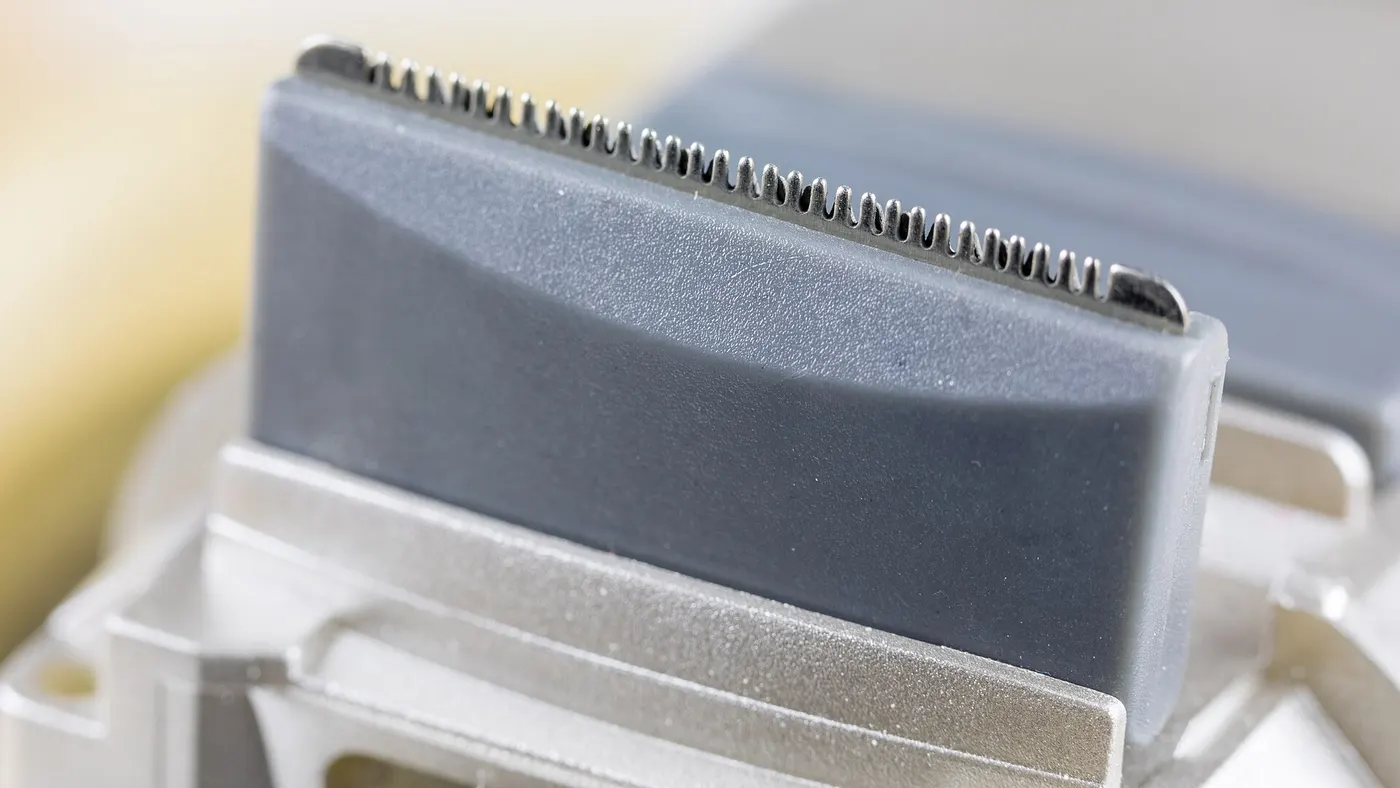
The decisions that actually change what you end up with.
1
Photo: Raimond Spekking · CC BY-SA 4.0 · Wikimedia Commons
What is on the label and what it does.
0
Photo: Raimond Spekking · CC BY-SA 4.0 · Wikimedia Commons
Order, frequency and how long a bottle lasts.
0
Photo: Joe Haupt from USA · CC BY-SA 2.0 · Wikimedia Commons
What the total comes to once everything is counted.
1
Photo: Hustvedt · CC BY-SA 3.0 · Wikimedia Commons
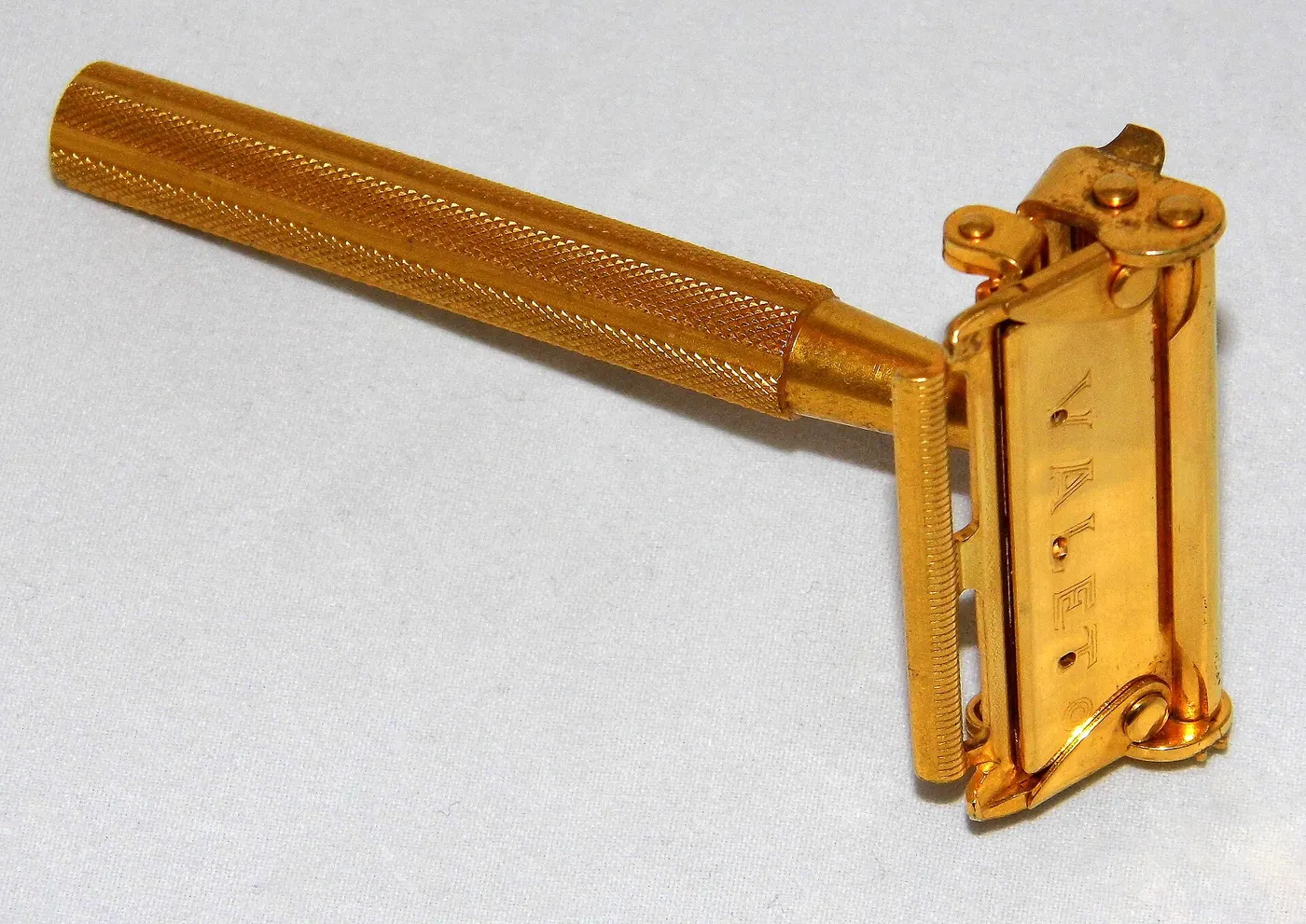
What the published evidence does and does not show.
0
Photo: Joe Haupt from USA · CC BY-SA 2.0 · Wikimedia Commons
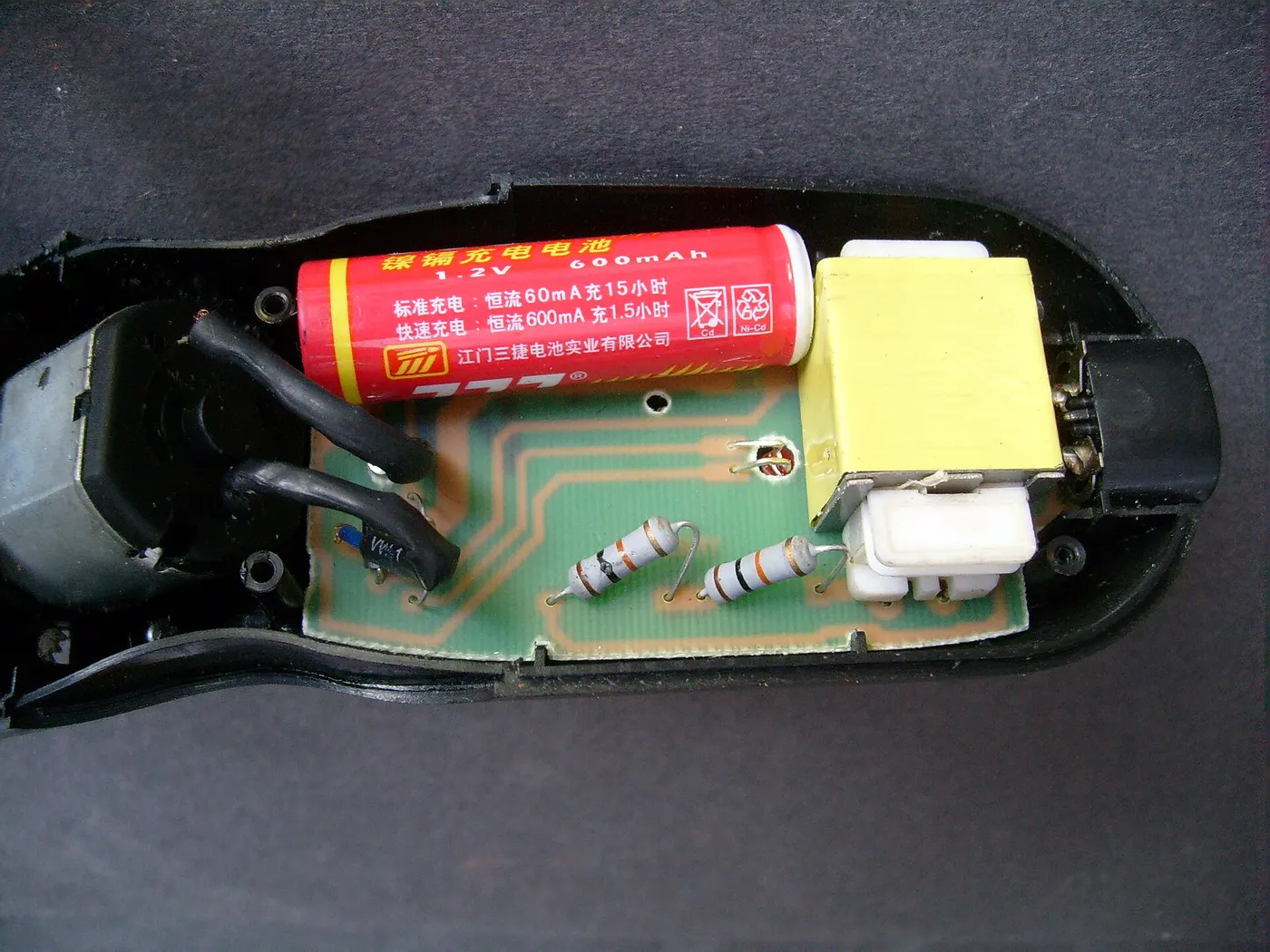
Reactions, patch testing and when to stop.
1
Photo: Alex l33 · CC BY-SA 3.0 · Wikimedia Commons
Every figure in a guide is taken from a named source, with the date it was checked. Where a number is an assumption or an example, it says so in the same sentence.
We do not run paid product tests, we do not publish reader reviews, and we do not claim to have handled every product mentioned. Where a claim needs a lab or a long-term test we do not have, the guide says that plainly.
Photographs are free-licence images from Wikimedia Commons or Openverse, credited to the photographer with the licence named. Charts are drawn from the figures printed in the same guide.
This site earns money from advertising and, where disclosed, from affiliate links. That does not change the order of a comparison or the conclusion of a guide.
Some links on this site can earn us a commission. That does not change which product a guide recommends, and it adds nothing to your price. Advertising is not enabled on this site yet. When it is, ads will be labelled and kept visually separate from the guides.